Like scoring a big promotion or a date with your longtime crush, a luminous, white smile is the stuff that dreams are made of. And it’s no wonder, considering how much the appearance of our teeth affects our image.
Case in point: Research shows people with whiter teeth are perceived as more socially competent, smarter, more satisfied with their relationships, and more psychologically adjusted . Another study (full disclosure: It was commissioned by Crest Whitestrips) suggests that a brighter smile may lead to more success in both your professional and personal lives.
Needless to say, we were curious to find which foods and drinks lead to a more radiant smile—and which ones tint and tarnish our pearly whites. If you’re seeing tons of stains, try to cut your intake of the foods on the “naughty” list below to every other day max. And most importantly, stay on top of your regular dental habits, like flossing daily, brushing twice a day, and popping into your dentist’s office for regular check-ups.
Read on for the foods that dull your smile and don’t forget to read our ‘Best Foods For Your Teeth‘.
Worst Foods for Your Teeth
Citrus and Acidic Foods
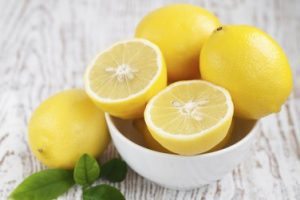 If you notice a yellowish tinge to your teeth, acidic foods (think citrus fruits and tomatoes) might be to blame. Even though they’re nutrient-packed, these colorful eats can erode the enamel, which might expose the yellow-hued dentin—a.k.a. the tissue beneath the enamel made up of mostly calcium and phosphate crystals.
Coffee
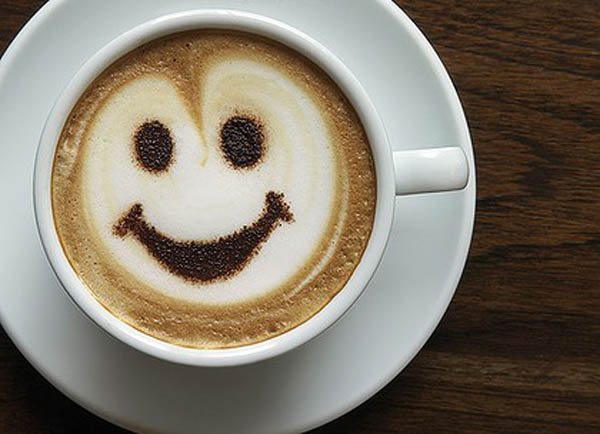
 Sorry, java junkies: Your favorite cure for tired mornings contains tannins (acidic polyphenols) that lead to staining and discoloration. Plus, because it’s acidic, it alters the pH balance of the mouth, making any acidic foods you eat afterward damage the teeth much more quickly.
Drink your coffee with a to-go lid—not using a straw. Doing so will cut back on the acidic-environment situation that coffee causes in the mouth and also prevents the fine lines that form when you pucker your lips to sip from a straw.
Sweets
 That whole sugar-will-rot-your-teeth-out thing? It’s a bit dramatic but kind of hinged on fact. The sugars in delicious treats like cookies and hard candy (and even snack foods like chips) latch onto your teeth and become the main meal for the bacteria in your mouth. When the bacteria feed off these sugars, they release acids that lead to tooth decay, which may be dark and cause back holes in your poor teeth
Soda
 Sugar-laden beverages act the same as sugar-laden snacks, giving the bacteria in your mouth plenty to feed off of (and thus releasing damaging acids). Sodas are especially dangerous, since anything carbonated is also acidic and will create holes in the teeth—and this includes sugar-free versions too.
Tea
 Just like coffee, tea also contains the staining saboteurs known as tannins, so sipping on a cup of chamomile may lead to stains. But there’s even more to it than that—like the hue it turns your teeth, for instance. “Green tea stains teeth gray, and black tea stains them yellow,”. If green tea’s your go-to, we suggest investing in a high quality option—the lower the quality, the worse the stain it’ll cause.
And if you just can’t bid the brew adieu, use the to-go lid trick like you would if you were drinking coffee. Also consider adding a dash of milk to your cup. Research suggests that adding milk to your tea slashes its ability to stain your teeth .
Blueberries, Blackberries, and Pomegranates
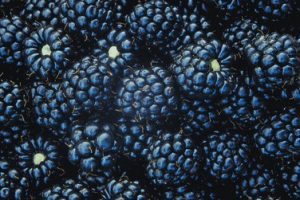 While they may be chock-full of antioxidants, these richly pigmented berries have a serious stain game. Our rule of thumb when it comes to these little superfoods: If it’s difficult to remove their stain from clothing, it’s going to be difficult removing it from teeth.
Red Wine
 Wine may be responsible for teeth that’ve turned shades of gray—which, unluckily, is a harder hue to remove than yellowish stains. The culprits? The same pesky tannins that we see in tea and coffee. But there’s a silver lining: While your favorite malbec may not help your pearly whites stay that way, recent research suggests that it may actually help fight cavities. So go on and pour it up, pour it up—in moderation, of course.
White Wine
 Cue the sad violin. As it turns out, sipping on sauvignon blanc can also steal some of the white away from your smile. One study suggests that the lighter type of vino may make tooth stains darker. So while it doesn’t actually cause the stains, its acid content creates little pockets on the surface of the tooth that allow other beverages to seep in deeper, the study’s researchers explain.
Read on to see which foods are the ‘Best Foods For Your Teeth‘.